History
Levi Yitzchak Schneerson in exile in Kazakhstan
Chana Schneerson’s memoirs describe Levi Yitzchak’s exile in Chiili, the family’s correspondence and the couple’s move to Alma-Ata in 1944.
Published
This is a translation. The original is Русский. Language review: not performed by a native speaker.
On 25 January 1940, Levi Yitzchak Schneerson arrived in Alma-Ata. He was then sent to Kzyl-Orda and from there to Chiili, about four hours away. Chana Schneerson recalled that he and another exile arrived late at night. At first they were refused a place to sleep. In another house, the hosts gave them hot water and laid a blanket on the kitchen floor. In the morning, Levi Yitzchak was allowed to stay, but the other exile was not. 1
A telegram told Chana where her husband was. He asked her to send a tallit and tefillin for prayer. She sent them along with food. The tallit and tefillin arrived in three weeks, while the food parcel took seven. Chana recorded the episode in 1948, eight years after the events. 1
Arrest and exile
Before his arrest, Schneerson served as rabbi of Yekaterinoslav. The NKVD arrested him in March 1939; after imprisonment, he was sentenced to five years of exile in Kazakhstan. His eldest son, Menachem Mendel, later became the seventh Lubavitcher Rebbe and leader of the Chabad movement. Father and son were separated during the exile. 2
Chana joined her husband. Her memoirs describe everyday concerns, preparations for a holiday and the search for paper and ink. 3 4
Passover in one room
Chana described their second Passover in exile through the story of a guest. This Jewish man had been deported from Bessarabia and separated from his family. She had brought matzah, but they had to find fuel to cook their food. The windows were curtained so that what happened in the room could not be seen from outside. 3
The family read and discussed the Passover narrative. They prayed without a minyan, the required number of participants for communal prayer. They had only one prayer book. Even on holidays, Schneerson had to report to the NKVD. 3
Paper and ink
Schneerson continued writing religious commentaries. In an entry dated 2 February 1949, Chana recalled that he had no one with whom to discuss his thoughts and wrote them down whenever he could find writing materials. 3
Chana gathered herbs and roots and made ink from them for her husband. Her memoirs also say that she did not know whether the manuscripts left in various places had survived. An editor’s note states that most of his writings from exile were later taken to the United States and published in the collections “Likkutei Levi Yitzchak” and “Torat Levi Yitzchak”. 3 4
News from their son
Towards the end of the exile, a telegram arrived through the Jewish community in Tashkent from their eldest son, who was looking for his parents. The couple asked for their address to be passed on to him. A few weeks later, a reply arrived in English. To read it, Chana had to find a translator and travel four kilometres to see him. Later, two food parcels arrived from their son. 5
The last summer in Alma-Ata
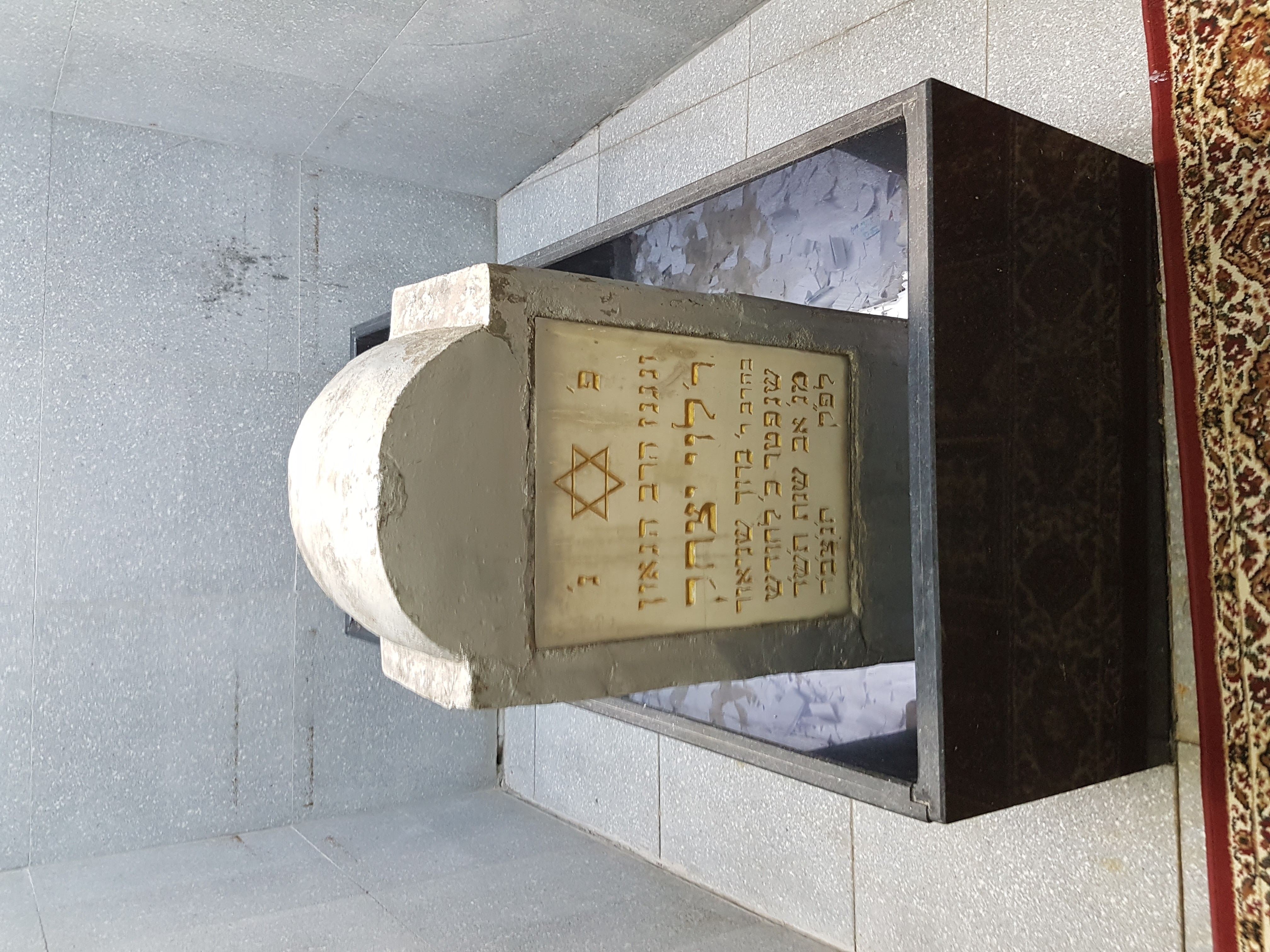
In 1944, acquaintances in Alma-Ata helped obtain permission for the move. According to the biography on Chabad.org, the process took six weeks; the couple moved after Passover. Schneerson’s health had been severely damaged, and he died in Alma-Ata that same year. 2
In 1947, Chana began writing her memoirs in the United States. In 2011, the publisher Kehot announced the discovery of a second volume that had not previously been published. 4
Fragments for distribution
-
Песах в ссылке
Русский ·key fact
-
Чернила, которые Хана готовила сама
Русский ·key fact
