Life and culture
Challah and baursak at the family table
Stories of baursaks for Nauryz, a Shabbat table in Taldykorgan and challah baked for neighbours.
Published
This is a translation. The original is Русский. Language review: not performed by a native speaker.
For Nauryz in 2011, journalist Elena Levkovich was preparing to celebrate for the first time as a Kazakh kelin, or daughter-in-law. She had married in early March. Her mother-in-law dictated a baursak recipe over the telephone. Levkovich and her husband kneaded the dough together, rolled it out and fried the pieces in a kazan. They turned out denser than grandmother’s baursaks; the family recalled the first attempt with a smile for a long time afterwards. Levkovich described it in an essay in Kazakhstanskaya Pravda. 1
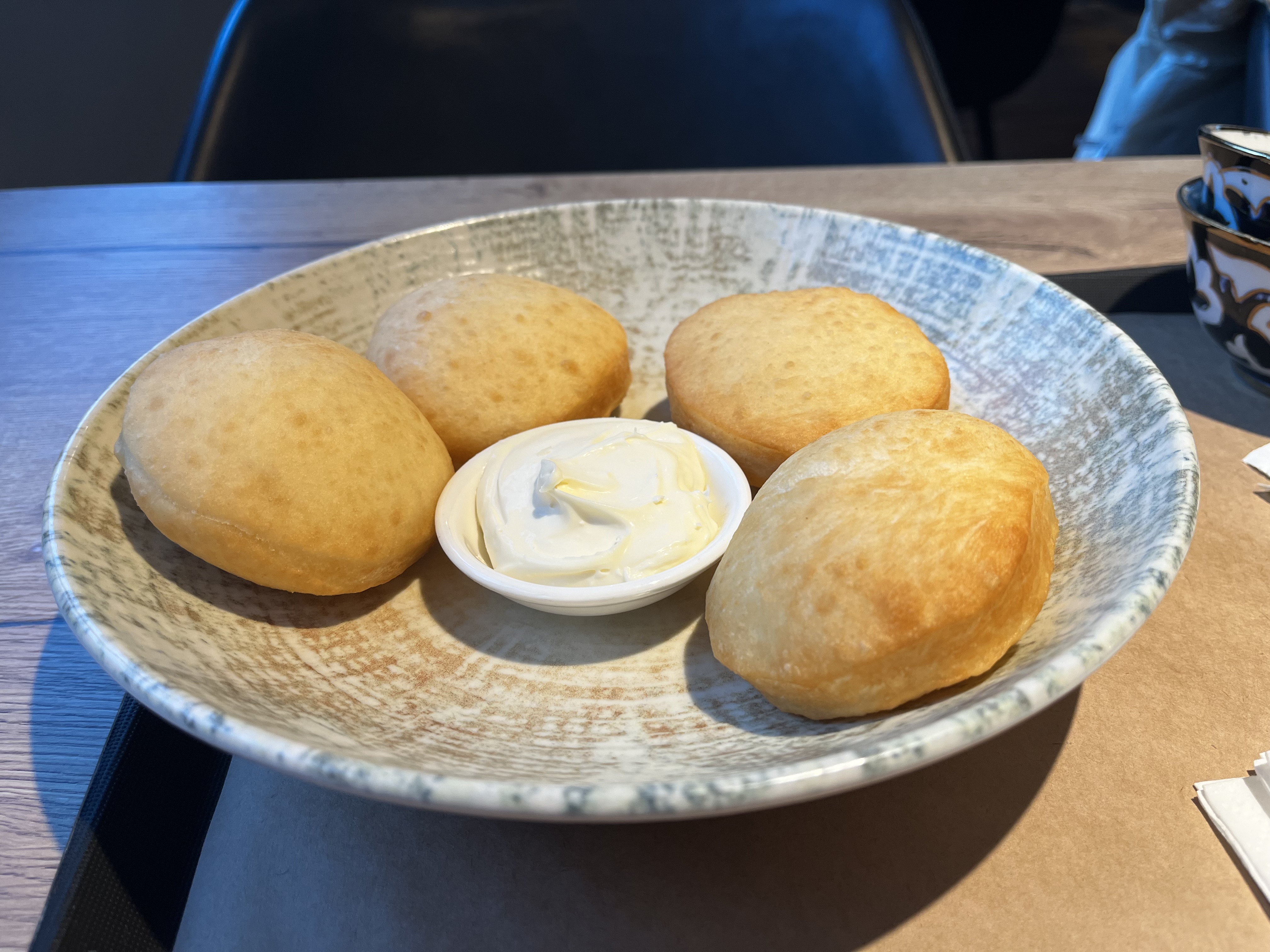
Baursak and challah
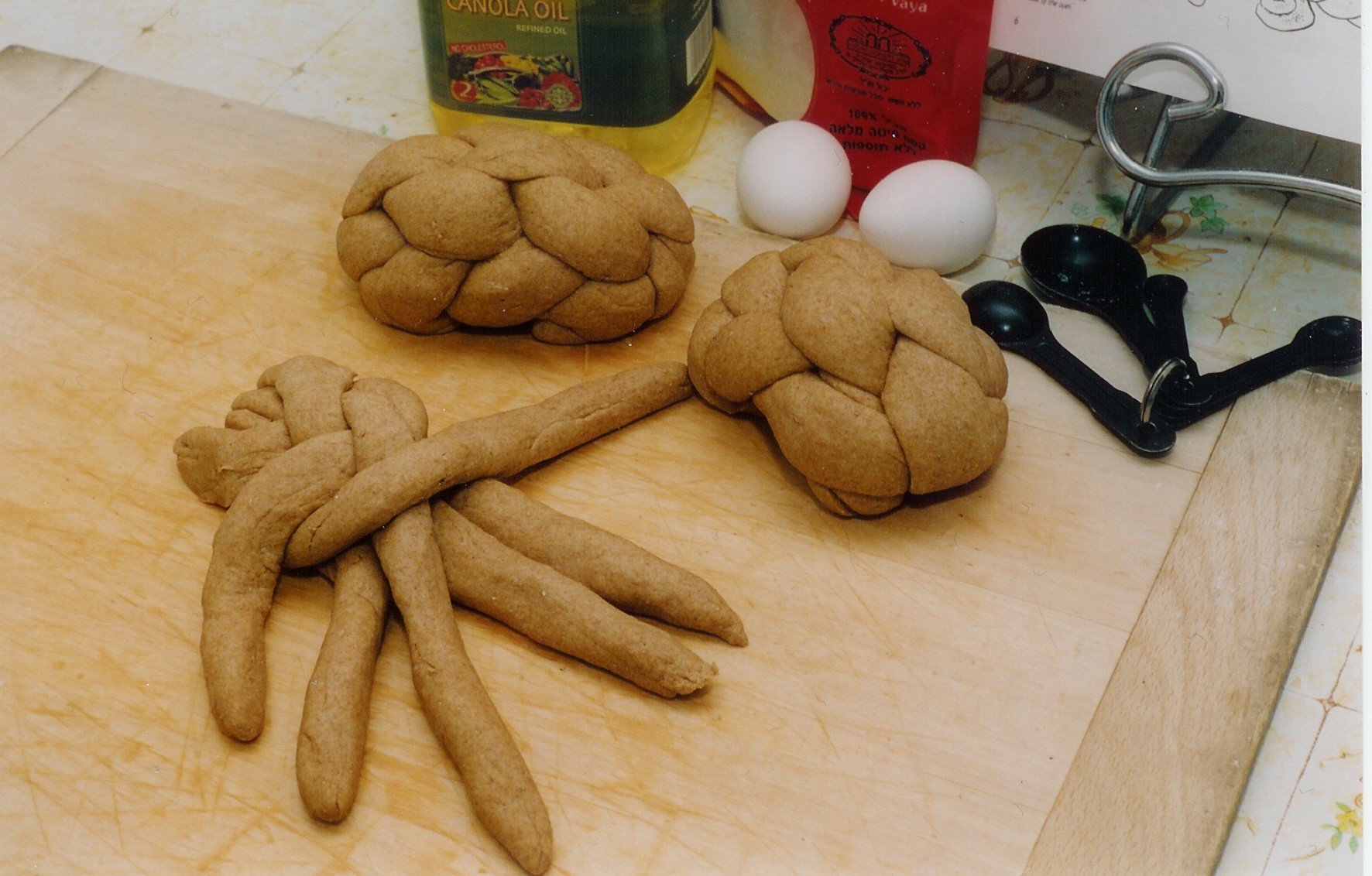
Levkovich fried her baursaks in pieces in a kazan. Chabad’s guide describes challah as two whole loaves for the Shabbat meal. The word “challah” also refers to the portion of dough separated in accordance with a religious commandment. 2
A Shabbat table in Taldykorgan
In December 2009, the Aviv Jewish cultural centre in Taldykorgan celebrated Hanukkah and welcomed Shabbat. According to a report by volunteer Tamara Perevalova, Igor Vozchikov lit the Hanukkah candles, and Stanislav Levin, a guest from Israel, recited Kiddush. There were challah loaves, doughnuts and kosher wine on the table; the guests spun a sevivon. 3
Dough for family and neighbours
On Fridays, Chana Perman makes challah for her family and neighbours. While kneading, she puts her phone aside and combines white and wholegrain flour, eggs, honey, water, yeast and oil. Almost every week, two families receive bread from her. The children prefer cinnamon and sugar, while her husband and two friends like poppy seeds. Other eaters choose poppy seeds or sesame. 4
Fragments for distribution
-
Баурсаки к Наурызу и хала к Шаббату
Русский ·key fact

